Haynespro
In 2026, modern vehicles are far more sophisticated than ever before, equipped with complex electronics, multiple sensors, and interconnected systems. While this technological advancement has enhanced vehicle safety, efficiency, and performance, it has also introduced new challenges for automotive diagnostics.
One of the most pressing challenges for UK workshops is dealing with intermittent faults—issues that occur sporadically and are often difficult to diagnose. With the increase in vehicle connectivity, hybrid and electric technologies, and advanced driver assistance systems (ADAS), diagnosing these faults has become increasingly complicated.
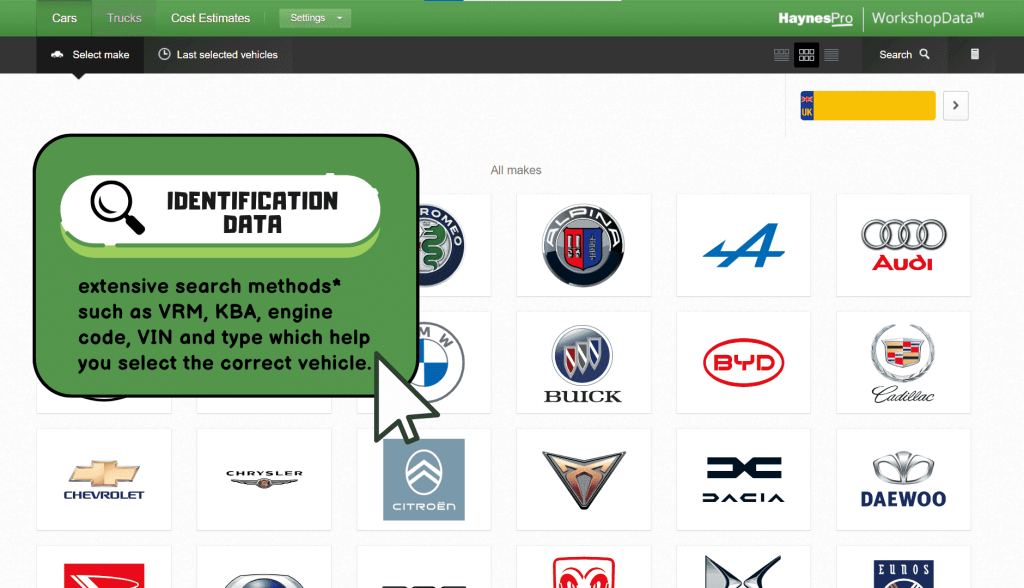
As technology continues to evolve, diagnostic tools and systems must keep pace. Platforms like HaynesPro, which provide real-time, comprehensive data on over 43,000 vehicle models, offer a solution for workshops striving to keep up with these advancements. However, even with the most advanced tools, the complexity of modern vehicle systems makes intermittent faults harder to detect, requiring new strategies and improved methodologies in diagnostics.
Why This Becomes Critical in 2026:
In the past, diagnosing faults in vehicles was a relatively straightforward task. Technicians could rely on their experience and standard diagnostic tools to identify and resolve issues.
Why This Becomes Critical in 2026:
However, as cars have become increasingly connected, with software that governs almost every aspect of their operation, the fault diagnosis process has become more complex.
Intermittent faults, which often do not manifest consistently, are a prime example of this growing complexity.
Modern vehicles feature various interconnected electronic control units (ECUs), which manage everything from engine performance to braking systems and infotainment.
Why This Becomes Critical in 2026:
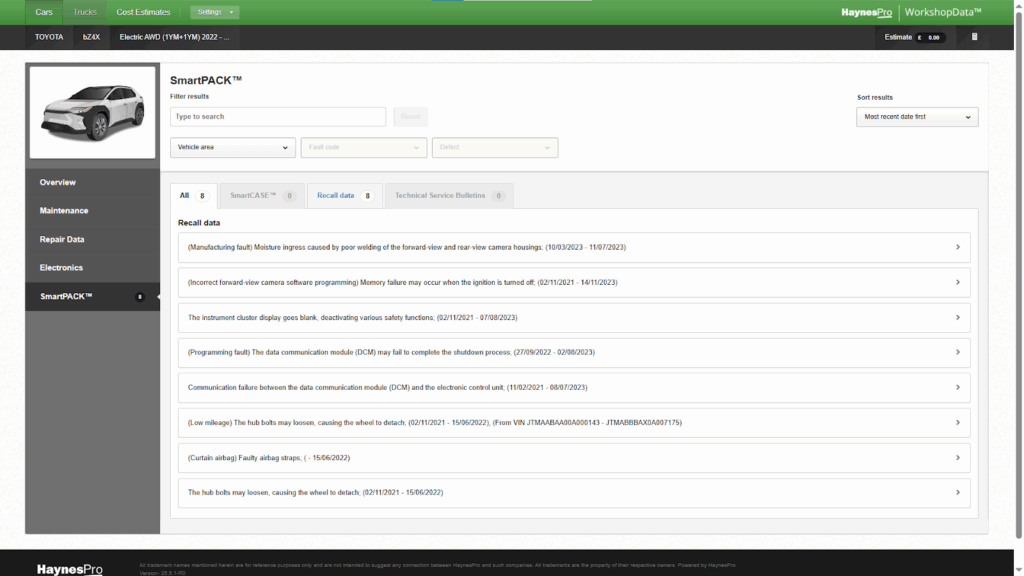
With systems like Over-the-Air (OTA) updates, communication between these ECUs can change at any time, leading to faults that may appear unexpectedly and disappear just as quickly.
Why This Becomes Critical in 2026:
As a result, pinpointing the cause of these issues requires advanced tools and up-to-date data, both of which are essential in 2026.
📘 See also: Why HaynesPro Is a Game-Changer for Multi-Brand Workshops
📘 See also : HaynesPro SmartDATA : Reducing comebacks during the busy winter repair season
Examples in the Workshop:
Example 1: Braking System Failure
A vehicle enters the workshop with a braking system failure light that intermittently appears and disappears. Upon initial inspection, the technician resets the system, and the warning light disappears.
However, the issue is likely to return because it may be caused by a sensor issue, a communication problem between the braking system’s ECU, or a software glitch that is triggered under specific driving conditions.
Without the right data or the latest software updates, diagnosing this problem could take hours, leading to frustration for both the technician and the customer.
Hybrid Vehicle’s Electric Motor Failure
A hybrid vehicle exhibits an intermittent failure of the electric motor. The issue appears to occur when the vehicle switches from electric to gasoline power, and it happens sporadically.
In the past, this might have been dismissed as a random occurrence, but with modern vehicles, the issue could be related to a software bug, a faulty battery management system (BMS), or a faulty sensor.
Diagnosing this problem requires specific knowledge of hybrid systems and access to manufacturer data, both of which are essential for resolving the issue efficiently.
Impacts on the Workshop:
Financial Impacts:
When intermittent faults are not diagnosed quickly, workshops face increased labor costs. Multiple visits from customers who experience the same problem again after a repair leads to further diagnostic checks and repairs. Additionally, incorrect diagnoses may result in unnecessary part replacements, which can be costly for both the customer and the workshop.
The time spent troubleshooting these issues can lead to a significant financial burden.
Organizational Challenges:
Workshops are under pressure to manage time efficiently while ensuring the quality of their service.
With intermittent faults, the need for coordination between technicians increases, especially when one technician begins the work, and another takes over.
Without a unified and up-to-date diagnostic system, critical information may be lost or misinterpreted, leading to delays in repairs and inefficiencies in the workshop.
Legal and Warranty Risks:
Modern vehicles often come with complex warranties, which require repairs to be carried out following manufacturer guidelines. Incorrect diagnoses or repairs could result in the invalidation of the warranty, which could lead to costly legal ramifications for the workshop. Furthermore, failure to diagnose and resolve intermittent faults properly could result in customer dissatisfaction and potential legal disputes.
Technological Evolution in Diagnostics:
The technological landscape of vehicles has changed drastically, with advancements in connectivity, sensor systems, and software integration. Some of the most significant technological advancements that have made intermittent faults more challenging to diagnose include:
- Vehicle-to-Everything (V2X) Communication: This technology enables vehicles to communicate with each other and surrounding infrastructure, such as traffic lights and road signs. While this improves safety and efficiency, it also introduces potential communication errors that can cause intermittent faults.
- Advanced Driver Assistance Systems (ADAS): Sensors and cameras used in ADAS systems need to be recalibrated periodically. Intermittent failures in ADAS-related components, such as lane-keeping systems or parking assist, can be difficult to diagnose without the latest data on sensor calibration and system functionality.
- Electric and Hybrid Vehicle Systems: These vehicles require specialized knowledge of their electrical and battery systems, as well as their interaction with the internal combustion engine. Intermittent faults related to battery charging or motor operation require precise diagnostics and up-to-date software information.
📘 See also: Why HaynesPro Is a Game-Changer for Multi-Brand Workshops
📘 See also: HaynesPro 2025 Updates: Expanded Vehicle Coverage
Common Mistakes and Their Consequences:
- Relying on Outdated Data: Using outdated software or manuals when diagnosing intermittent faults can lead to misdiagnosis and the replacement of unnecessary parts. As vehicle systems and software evolve quickly, it is crucial for workshops to have access to the most current information.
- Overlooking Software Issues: Technicians often focus on hardware issues without considering the role of software in modern vehicle diagnostics. Software bugs or settings errors can cause intermittent faults, and workshops need to incorporate software updates and diagnostics into their service routines.
- Misinterpreting Fault Codes: Fault codes can be misleading if not understood in the correct context. Many intermittent faults don’t trigger clear fault codes, making it necessary for technicians to have a deeper understanding of the vehicle’s systems to interpret the data accurately.
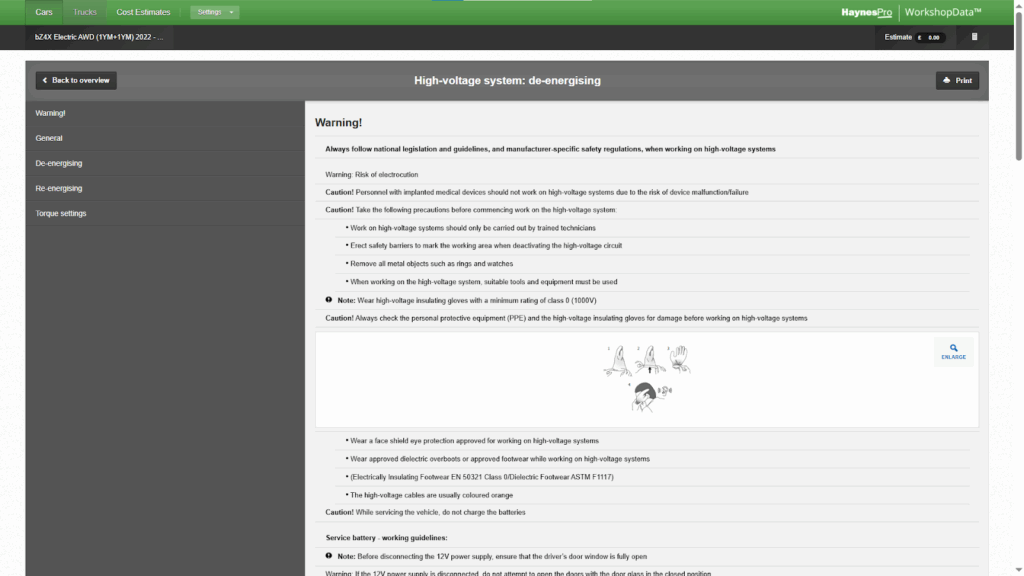
Value-Added Solutions:
To effectively address intermittent faults in 2026, workshops should adopt the following best practices:
Invest in Real-Time Diagnostic Platforms: Platforms like HaynesPro provide continuous updates and accurate, vehicle-specific data. By leveraging these platforms, workshops can reduce downtime and improve the accuracy of their diagnostics.
Value-Added Solutions:
Adopt Cloud-Based Diagnostic Tools: With cloud-based tools, technicians can access up-to-date diagnostic information from anywhere in the workshop. This eliminates the need for manual updates and ensures that all technicians are working from the same, most current data.
Regular Software Updates: Ensuring that diagnostic tools and vehicles are regularly updated with the latest software is critical for diagnosing intermittent faults.
Workshops should implement regular software check-ins for all vehicles in their service bays.
Value-Added Solutions:
Specialized Training: To handle the complexities of modern diagnostics, workshops must invest in continuous training for their technicians. This includes understanding the latest automotive technologies, troubleshooting software issues, and working with hybrid and electric vehicles.
In 2026, diagnosing intermittent faults in modern vehicles is a growing challenge for UK workshops. As vehicles become more technologically advanced, workshops must adapt to keep up with the complexity of modern diagnostics. By investing in real-time diagnostic platforms, maintaining up-to-date software, and implementing efficient processes, workshops can improve diagnostic accuracy, reduce costs, and enhance customer satisfaction.
With HaynesPro and similar platforms, workshops can ensure they are prepared for the complexities of modern vehicle diagnostics. The ability to provide accurate, timely repairs will become a key competitive advantage in the evolving automotive service industry.
Value-Added Solutions:
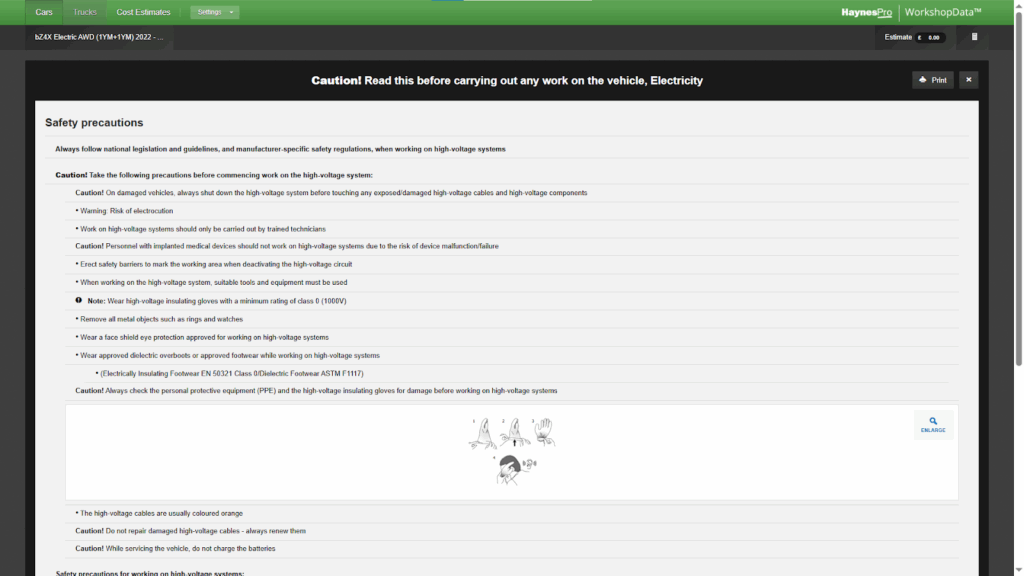
Workshops that prioritise safety through HaynesPro will not only stay compliant but also build trust with customers by providing safe, reliable services.
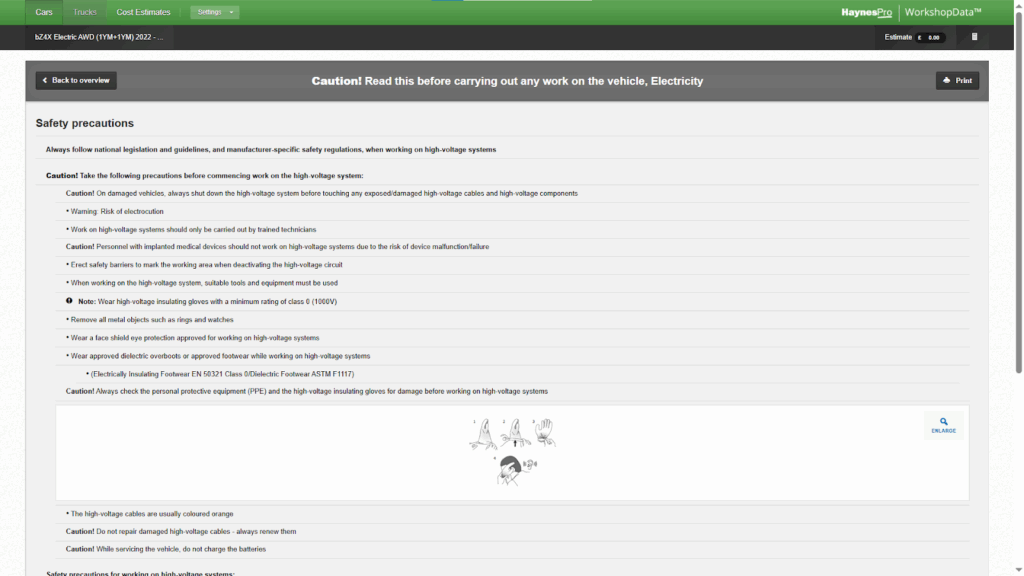
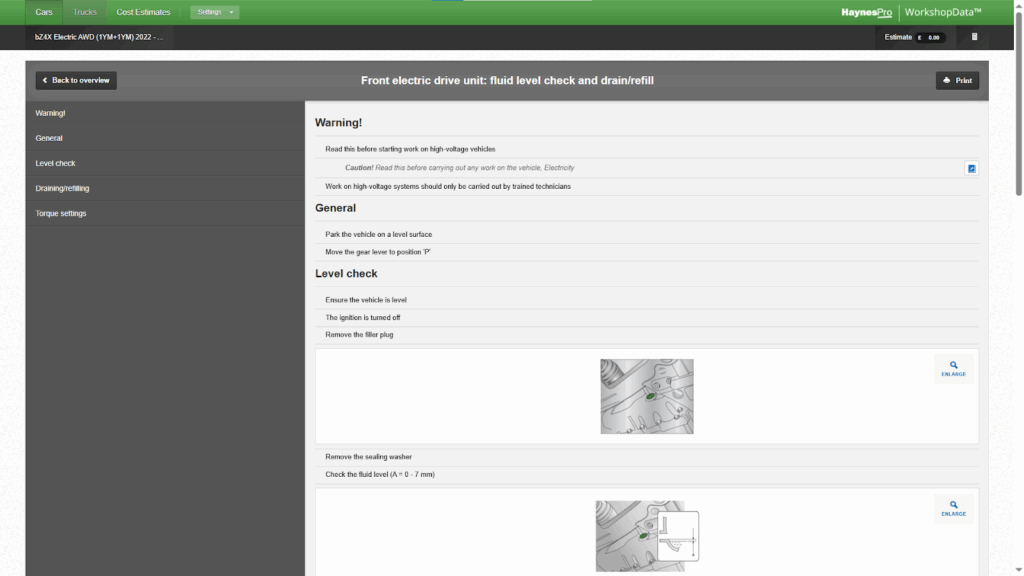
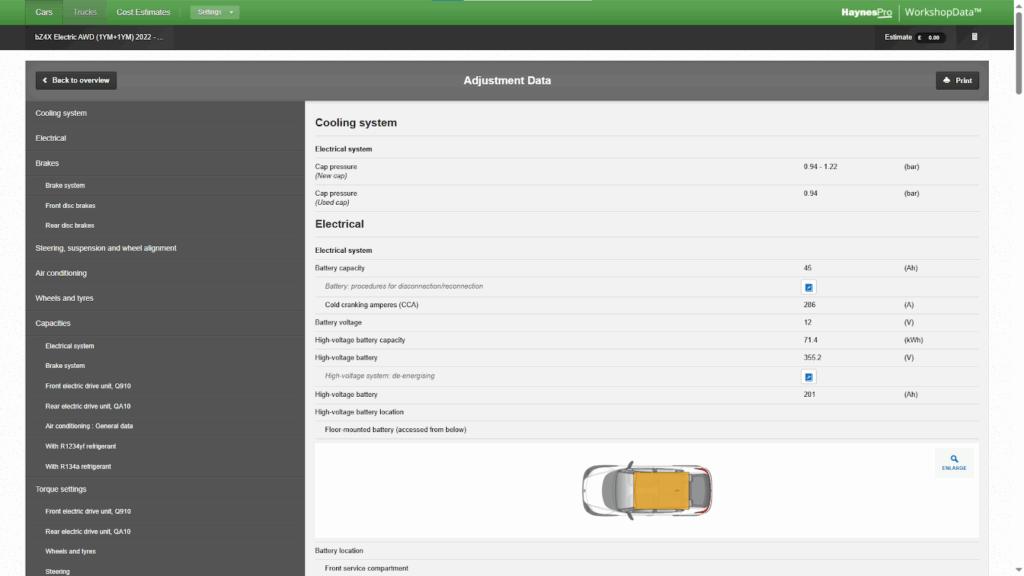
In this context, HaynesPro is widely recognised in the UK aftermarket as a professional technical information reference supporting structured diagnostic workflows. By providing access to manufacturer-aligned procedures, wiring diagrams and system logic, HaynesPro helps workshops move away from guesswork and adopt a diagnostic approach suited to the complexity of modern vehicles.
By integrating HaynesPro’s diagnostics and repair protocols, workshops can offer comprehensive battery checks, ensuring that all EVs are winter-ready and compliant with the evolving standards for 2026.
For those interested in exploring Haynes Pro’s features before committing, the Haynes Pro free trial and Haynes Pro free access options are perfect starting points.
With the free trial, users can test out the software’s full range of features, including detailed vehicle repair data, diagnostic tools, and step-by-step guides.
Value-Added Solutions:
For those looking for a more limited yet valuable introduction, Haynes Pro free offers essential resources such as vehicle specifications and basic repair instructions, making it a great way to get familiar with the tool.
📘 See also: Why HaynesPro Is a Game-Changer for Multi-Brand Workshops
📘 See also: Digital transformation in UK garages: Bridging human expertise and smart software