The automotive industry in 2026 presents UK garages with unprecedented technical challenges. Vehicle design, regulation, and digitalisation have evolved faster in the last five years than in the previous two decades combined. To remain operationally viable, UK workshops must understand how these changes directly affect diagnostic and repair practices.
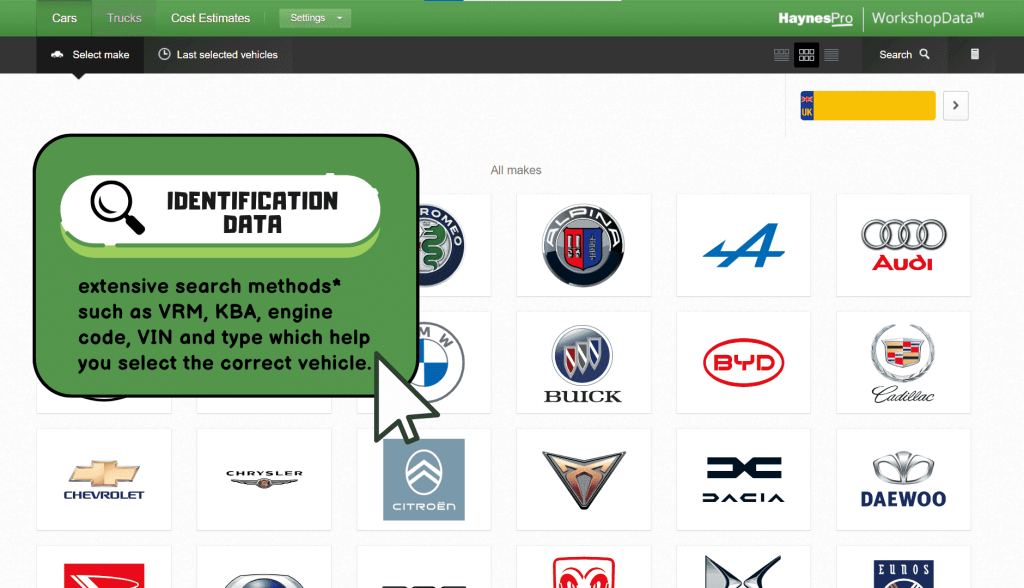
HaynesPro supports UK garages by structuring manufacturer technical data in line with these developments, enabling workshops to adapt to new vehicle technologies without compromising repair quality or safety.
Why 2026 marks a technical turning point
Several industry-wide developments converge in 2026:
- Widespread electrification across vehicle segments
- Increased ADAS standardisation
- Software-driven vehicle behaviour
- Remote updates and cybersecurity considerations
Vehicles manufactured from 2024 onward increasingly rely on electronic decision-making rather than purely mechanical logic. This shift fundamentally alters how faults appear and how they must be diagnosed.
Key technical developments impacting UK garages
UK workshops must now adapt to:
- High-voltage systems requiring strict safety procedures
- Calibration-dependent systems where mechanical repairs affect electronic behaviour
- Vehicles that change behaviour after software updates
- Integrated systems where one fault impacts multiple vehicle functions
For example, replacing a steering component on a 2025 vehicle may require ADAS recalibration and software validation. Without correct procedures, the vehicle may remain unsafe or non-compliant.
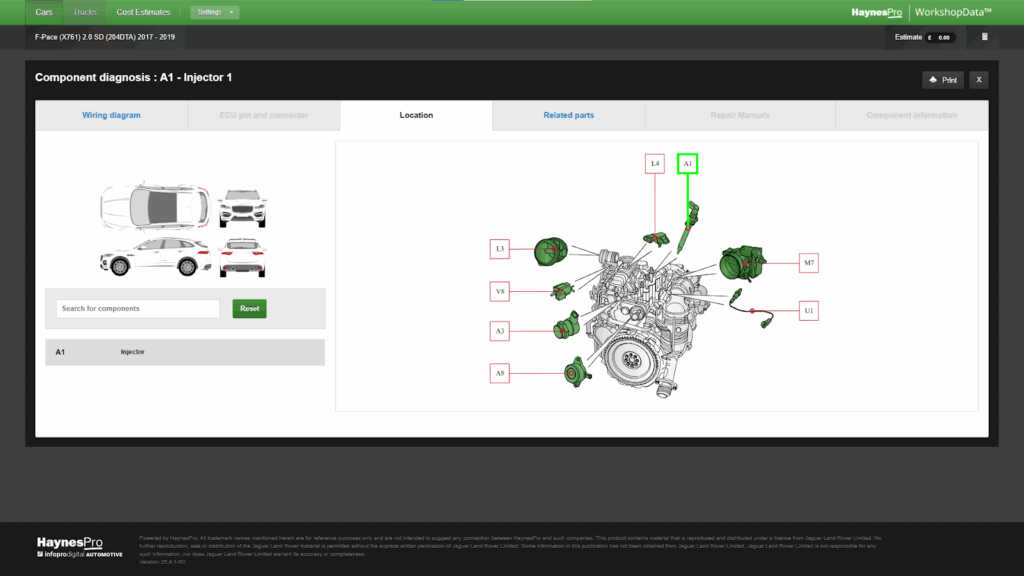
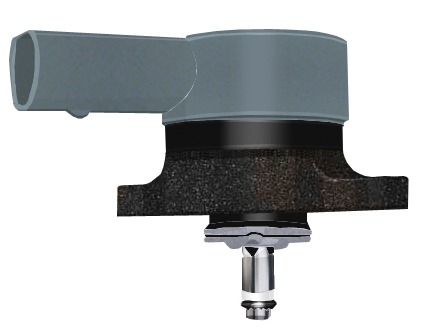
Component diagnosis : A3 – Fuel pressure control valve
Operational and financial consequences for workshops
Failing to adapt to these developments leads to:
- Increased diagnostic time
- Higher risk of misdiagnosis
- Delays in vehicle turnaround
- Loss of customer trust
📘 See related: The HaynesPro Advantage: How Smart Data Reduces Repeat
📘 Read next: Preparing your UK Workshop for the EV surge in 2026: Training and data tools you need now
From an organisational perspective, workshops face growing pressure to standardise diagnostic processes and document repair steps, especially when dealing with insurers, fleet operators, or warranty providers.
Regulatory and compliance considerations
UK garages must also consider:
- Manufacturer repair standards
- Health and safety regulations related to high-voltage systems
- Data protection and cybersecurity obligations
- Evolving MOT and inspection requirements
Non-compliance can expose workshops to legal and financial risks that were less prevalent in traditional vehicle repair.
Common adaptation mistakes
In 2026, many workshops struggle due to:
- Treating modern vehicles with outdated diagnostic logic
- Underestimating the impact of software and calibration
- Relying on fragmented or incomplete technical data
- Lack of structured diagnostic methodology
These issues are rarely caused by lack of experience, but by insufficient alignment with modern vehicle design.
Long-term adaptation strategies for UK garages
Successful workshops focus on:
- Continuous technical learning
- Standardised diagnostic workflows
- Consistent use of manufacturer technical data
- Clear separation between fault identification and repair decision-making
📘 Related reading: Why Workshops Can’t Afford to Ignore Digital Technical Data Platforms
📘 Read also: EV & Hybrid Repairs: How HaynesPro Electronics Supports Technicians in the Transition
This strategic shift allows garages to handle technical complexity without increasing operational stress.
The changes shaping the automotive industry in 2026 are not temporary. They define the future of vehicle repair. UK garages that adapt their diagnostic and repair processes to these technical developments will remain relevant, compliant, and competitive.
Understanding vehicle technology evolution is no longer optional; it is a professional responsibility.
This approach transforms diagnostics from trial-and-error into a controlled technical process.
In 2026, diagnostics are no longer a preliminary step. They form the technical foundation of workshop performance, credibility, and long-term sustainability. Manufacturer data is not optional; it is the framework that ensures reliability, compliance, and efficiency.
UK workshops that build their diagnostic processes around structured technical data position themselves to handle modern vehicles with confidence and consistency.
By integrating HaynesPro’s diagnostics and repair protocols, workshops can offer comprehensive battery checks, ensuring that all EVs are winter-ready and compliant with the evolving standards for 2026.
For those interested in exploring Haynes Pro’s features before committing, the Haynes Pro free trial and Haynes Pro free access options are perfect starting points.
With the free trial, users can test out the software’s full range of features, including detailed vehicle repair data, diagnostic tools, and step-by-step guides.
For those looking for a more limited yet valuable introduction, Haynes Pro free offers essential resources such as vehicle specifications and basic repair instructions, making it a great way to get familiar with the tool.
👉 Start your 7-day free trial
📩 Contact us
💼 View Mecainfo pricing