
The automotive industry in 2026 is facing significant shifts, and workshops are under increasing pressure to adapt. Customers are demanding faster turnaround times, higher-quality services, and more transparency. Meanwhile, vehicles are becoming more complex, integrating advanced technologies such as electric drivetrains, ADAS (Advanced Driver Assistance Systems), and more interconnected software systems. Despite this, many workshops still rely on traditional processes to manage operations.
In this evolving environment, the efficiency of workshops is under constant strain. Traditional methods, which were effective in simpler times, are now struggling to keep up with the demands of modern vehicles and customer expectations. One area where this is particularly evident is in diagnostics and repair workflows. Without embracing modern tools and data-driven solutions, workshops are finding themselves increasingly behind the curve.
Why Traditional Processes Fail in 2026:
In the past, workshops could rely on standard diagnostic routines, mechanical repairs, and basic customer management. However, the rise of electric and hybrid vehicles, advanced diagnostics, and software-driven repairs has changed the landscape drastically. Traditional systems were not designed to manage the complexities of these new technologies. As a result, workshops using outdated processes are seeing a decline in productivity and efficiency.
- Slow Diagnostics:
In 2026, vehicles are more than just mechanical machines—they are sophisticated computers on wheels. Traditional diagnostic methods, such as manual fault code scanning and simple visual inspections, no longer suffice for the increasing complexity of modern vehicles. The rise of systems like Over-the-Air (OTA) updates, electric vehicle (EV) technology, and ADAS systems requires workshops to adopt advanced diagnostic tools and software to stay competitive.
Workshops still relying on outdated tools are often forced to rely on trial and error to diagnose problems, leading to long repair times and unhappy customers.
- Lack of Real-Time Data:
Many workshops still depend on static, outdated databases or printed service manuals, which cannot keep pace with the continuous stream of vehicle updates and new systems. These outdated methods slow down service time, create discrepancies in data, and lead to missed opportunities for repair optimization.
For example, a workshop working on a hybrid vehicle may lack access to the latest Battery Management System (BMS) protocols, leading to incorrect maintenance or even voiding the vehicle’s warranty.
- Inefficient Workflow Management:
Traditional workshop management systems are often disjointed and fail to integrate with diagnostic tools, parts ordering, and customer management systems. This leads to inefficiencies such as delayed repair times, parts shortages, and errors in order processing.
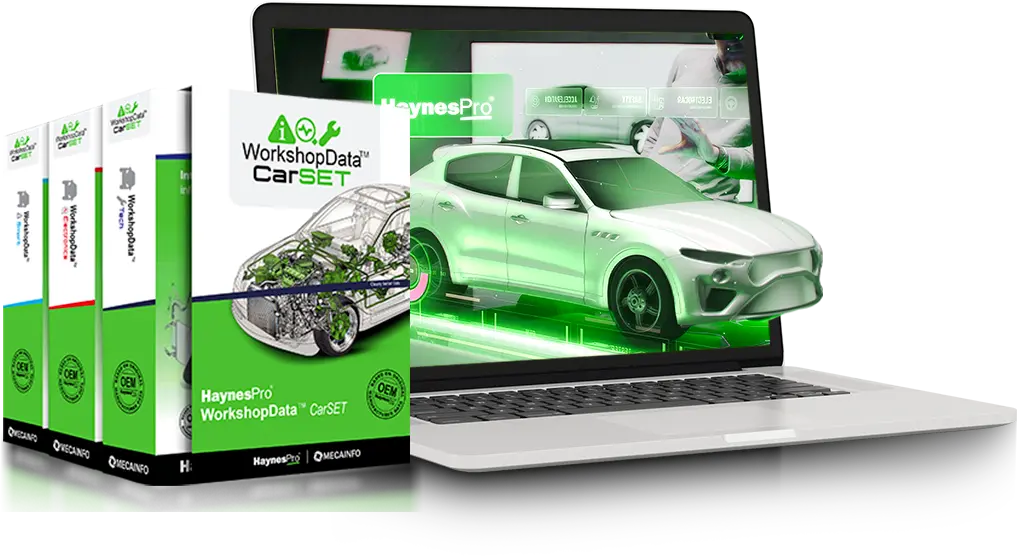
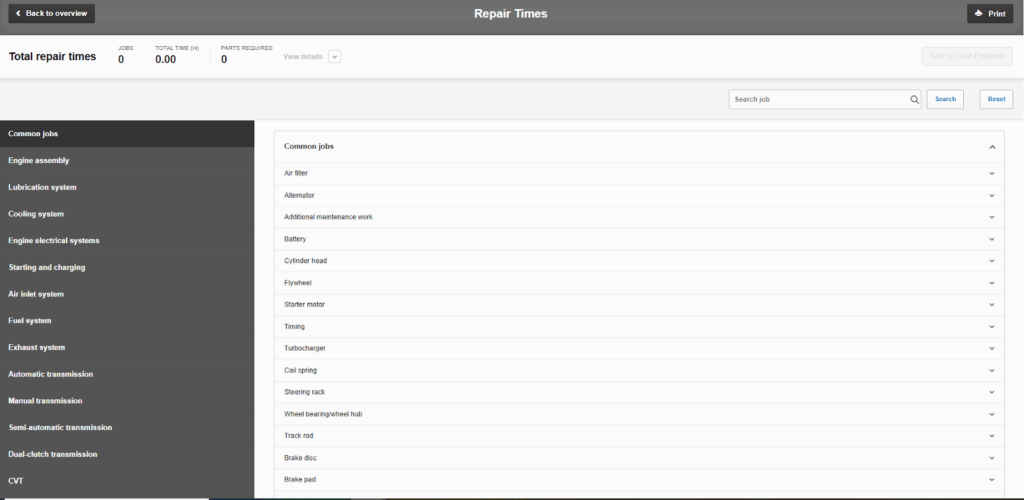
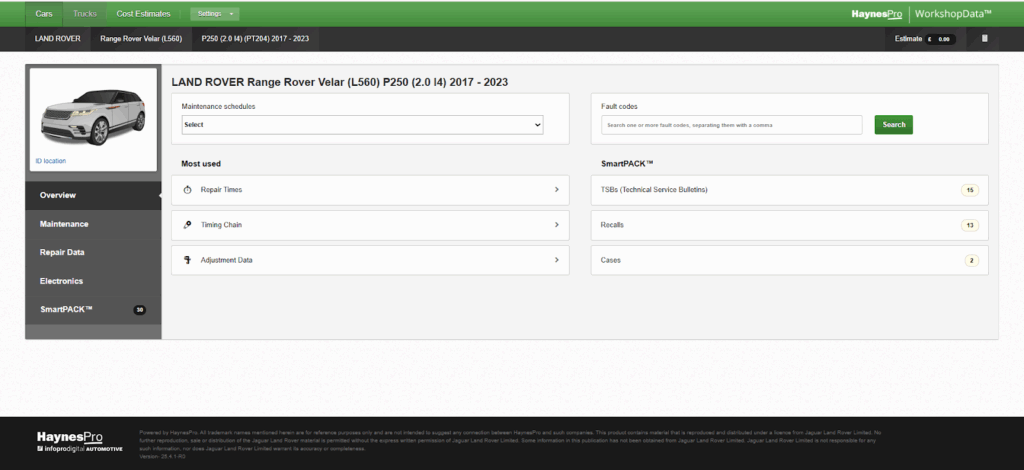
Modern systems like HaynesPro integrate seamlessly into workshop operations, ensuring real-time updates for technicians, reducing wait times, and eliminating the need for redundant processes. However, many workshops still rely on manual record-keeping or separate systems that don’t communicate with each other.
- Lack of Data-Driven Decision Making:
Traditional workshops often base decisions on intuition, limited data, and experience alone. While experience is invaluable, it is not enough to address the complexity of modern vehicles. Decision-making based on incomplete or outdated information leads to inefficiencies, customer dissatisfaction, and missed revenue opportunities.
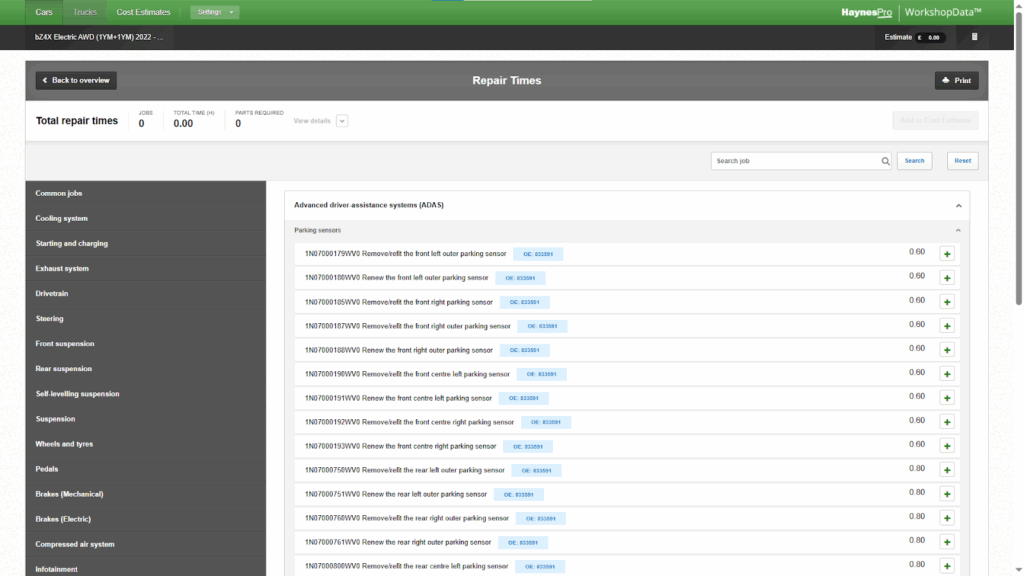
Advanced data platforms such as Haynespro offer detailed insights into vehicle diagnostics, repair recommendations, and up-to-date technical specifications. These platforms can predict failure patterns and help workshops optimize service plans, leading to more efficient and cost-effective operations.
Impacts on the Workshop:
- Financial Impacts:
- Increased Labor Costs: Longer repair times caused by slow diagnostics and manual data processing directly lead to higher labor costs.
- Reduced Profit Margins: Inefficiencies such as rework due to misdiagnosed faults or delays in parts procurement lead to reduced profitability.
- Lost Revenue Opportunities: Workshops that are slow to adopt modern tools miss out on potential customers who expect quick, reliable services.
- Increased Labor Costs: Longer repair times caused by slow diagnostics and manual data processing directly lead to higher labor costs.
- Organizational Challenges:
- Poor Communication: Traditional workflows often result in fragmented communication between the front desk, technicians, and parts suppliers. This causes delays in repairs, missed customer appointments, and confusion regarding service status.
- Inconsistent Service Quality: Without data-driven workflows, workshops may offer inconsistent services. For instance, technicians might follow different repair methods based on personal experience rather than standardized, up-to-date procedures.
- Poor Communication: Traditional workflows often result in fragmented communication between the front desk, technicians, and parts suppliers. This causes delays in repairs, missed customer appointments, and confusion regarding service status.
- Customer Dissatisfaction:
Customers today are more knowledgeable than ever. With the rise of online resources and car-specific mobile apps, they expect workshops to provide quick, precise, and transparent services. If workshops fail to meet these expectations, customers may turn to competitors that offer more efficient, tech-driven services.
If diagnostics are slow or imprecise, repairs take longer than promised, or customers are left in the dark about their vehicle’s status, they are more likely to feel frustrated and dissatisfied, potentially leading to negative reviews or lost business.
Technological Evolution in Workshop Efficiency:
Workshops in 2026 must embrace technology to remain competitive. Some of the critical technological advancements that improve workshop efficiency include:
- Cloud-Based Diagnostics: Real-time access to the latest vehicle data allows workshops to diagnose problems faster and more accurately. Systems like HaynesPro update continuously, providing technicians with the most accurate information at their fingertips.
- Integrated Management Systems: These systems allow for seamless communication between the workshop’s various departments, from front desk to technicians to parts inventory. Integration helps streamline operations, reduce wait times, and minimize human error.
- Automated Parts Ordering: With advanced systems, workshops can automatically order parts based on real-time diagnostic information and stock levels. This helps reduce downtime waiting for parts to arrive, ensuring a smoother workflow.
Common Mistakes and Their Consequences:
- Failure to Adopt Modern Tools: Many workshops still rely on traditional methods like printed manuals and basic diagnostic tools. This leads to inefficiency and mistakes, resulting in longer repair times and customer dissatisfaction.
- Not Integrating Systems: Many workshops have different systems for booking, diagnostics, inventory, and customer service. When these systems don’t communicate with one another, it leads to inefficiencies, errors, and missed opportunities.
- Overlooking the Importance of Data: Relying solely on technician experience and intuition, rather than data-driven diagnostics, increases the likelihood of errors. Failing to update diagnostic tools and software frequently also leads to misdiagnoses and unnecessary part replacements.
Value-Added Solutions:
To optimize efficiency in workshops in 2026, workshops should consider:
- Adopting Cloud-Based Diagnostic Platforms: HaynesPro, provide real-time, accurate data for diagnostics, parts replacement, and repairs, improving overall efficiency.
- Integrating Workshop Management Systems: Integrating tools that allow seamless communication across departments—booking, diagnostics, parts ordering—will help streamline workflows, reduce errors, and improve service delivery times.
- Implementing Data-Driven Decision-Making: Using data analytics, workshops can predict maintenance schedules, detect patterns in faults, and make more informed decisions about repairs and services.
- Continuous Training for Technicians: As technology evolves, workshops need to ensure that technicians are continuously trained on new tools, systems, and vehicle technologies.
The automotive repair industry is changing rapidly in 2026, and workshops need to evolve their processes to stay competitive. Traditional methods are no longer sufficient in addressing the complexity of modern vehicles and customer expectations. By embracing modern technology, integrating data-driven systems, and improving internal communication, workshops can streamline operations, reduce costs, and deliver faster, more accurate services. Embracing these changes not only boosts efficiency but also enhances customer satisfaction and loyalty, setting workshops up for long-term success.
📘 Related reading: Why Workshops Can’t Afford to Ignore Digital Technical Data Platforms
📘 Read also: EV & Hybrid Repairs: How HaynesPro Electronics Supports Technicians in the Transition
By integrating HaynesPro’s diagnostics and repair protocols, workshops can offer comprehensive battery checks, ensuring that all EVs are winter-ready and compliant with the evolving standards for 2026.
For those interested in exploring Haynes Pro’s features before committing, the Haynes Pro free trial and Haynes Pro free access options are perfect starting points.
With the free trial, users can test out the software’s full range of features, including detailed vehicle repair data, diagnostic tools, and step-by-step guides.
For those looking for a more limited yet valuable introduction, Haynes Pro free offers essential resources such as vehicle specifications and basic repair instructions, making it a great way to get familiar with the tool.
👉 Start your 7-day free trial
📩 Contact us
💼 View Mecainfo pricing