In 2026, EV diagnostics has become a defining challenge for UK workshops. The rapid evolution of high-voltage systems, software-controlled components and vehicle network architecture means that accessing data is no longer enough. Platforms such as HaynesPro provide structured, manufacturer-based technical information, but interpreting that data correctly has become a critical skill on the workshop floor.
Across the UK, independent garages are facing a new reality. The growing share of electric vehicles registered between 2024 and 2026 brings complex battery management systems, inverter control units and multi-layer communication networks into everyday repair scenarios. The question is no longer whether data is available. It is whether workshops can transform that data into accurate technical decisions.
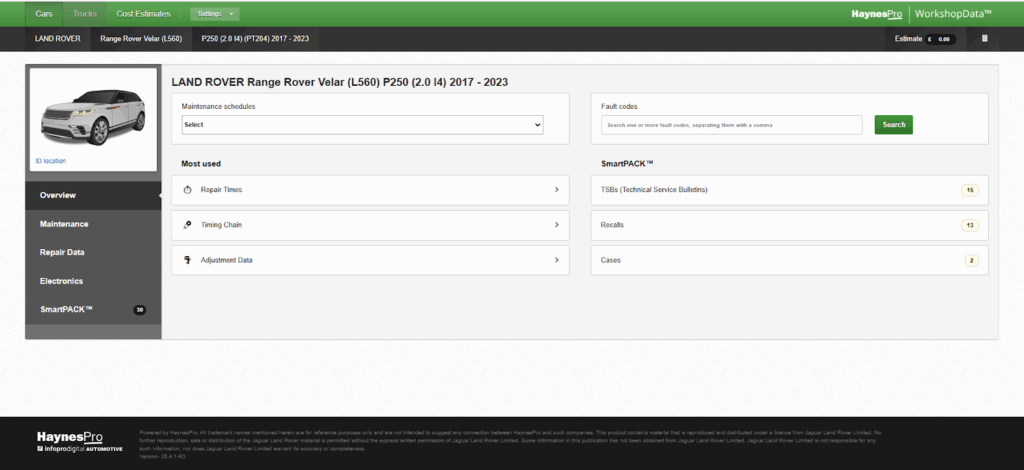
Why EV diagnostics are fundamentally different in 2026
Electric vehicles introduce system-level interactions that traditional diagnostic logic does not always cover. A fault code related to battery cooling, for example, may originate from:
- A thermal management control strategy
- A software calibration update
- A voltage imbalance detected by the battery management system (BMS)
- A communication fault on the CAN or Ethernet network
📘 Related reading: Why Workshops Can’t Afford to Ignore Digital Technical Data Platforms
📘 Read also: EV & Hybrid Repairs: How HaynesPro Electronics Supports Technicians in the Transition
Reading a diagnostic trouble code is only the starting point. Modern EVs rely on predictive algorithms, sensor fusion and software-driven safety layers. According to guidance from vehicle manufacturers and recommendations aligned with ISO 26262 functional safety standards, technicians must assess system context before replacing components.
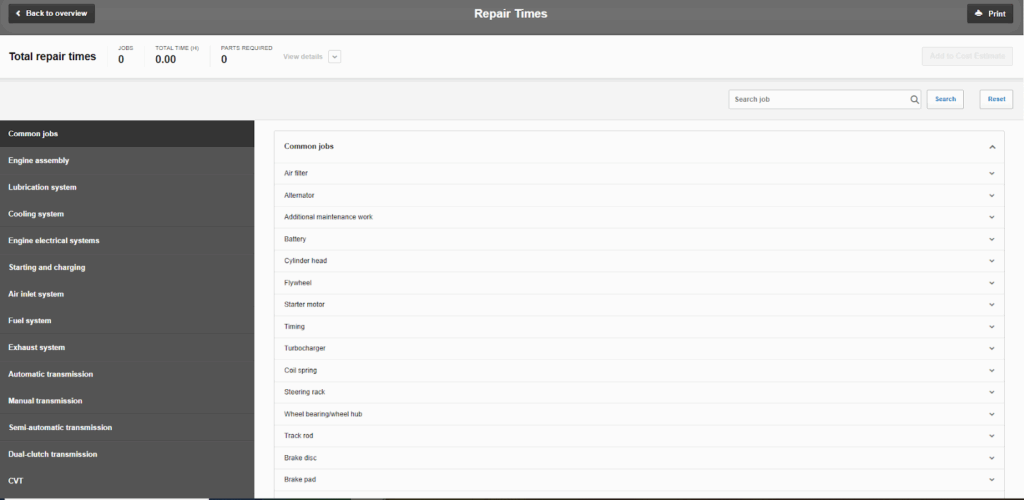
Relying solely on fault codes without understanding system logic leads to misdiagnosis.
📘 See related: The HaynesPro Advantage: How Smart Data Reduces Repeat
📘 Read next: Preparing your UK Workshop for the EV surge in 2026: Training and data tools you need now
The financial and organisational impact of misinterpreted data
When EV diagnostics are misread, consequences are no longer minor.
Financial impact:
- Unnecessary component replacement, particularly high-cost items such as DC-DC converters or battery modules
- Increased diagnostic time, reducing workshop throughput
- Warranty disputes if manufacturer procedures are not strictly followed
Organisational impact:
- Technicians escalating cases to external support more frequently
- Workshop managers spending time validating technical decisions
- Reduced confidence when handling high-voltage systems
Legal and safety impact:
- Non-compliance with high-voltage safety procedures recommended by manufacturers and UK safety authorities
- Risk exposure in case of incorrect isolation or incomplete verification
In a high-voltage environment, assumptions are expensive.
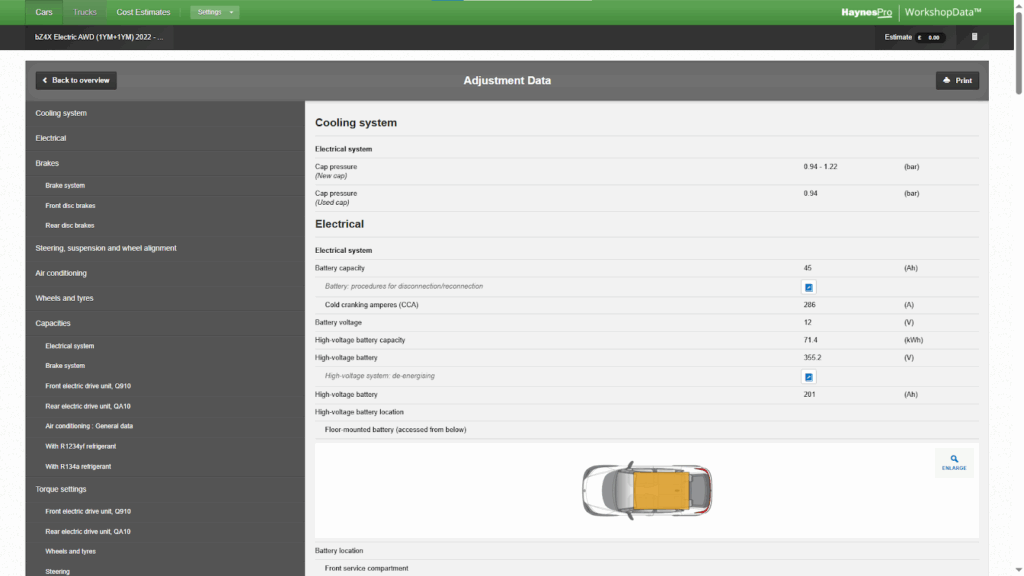
Concrete workshop scenarios in 2026
Consider a 2025 electric SUV entering a UK independent workshop with reduced power mode activated.
The scan tool shows multiple stored fault codes related to battery temperature and inverter performance.
📘 See also: Why HaynesPro Is a Game-Changer for Multi-Brand Workshops
📘 See also: HaynesPro 2025 Updates: Expanded Vehicle Coverage
Without structured interpretation:
- A technician may suspect inverter failure
- Another may consider replacing coolant pumps
- A third may attempt software resets without root-cause validation
In reality, the issue could stem from a calibration update released by the manufacturer or a thermal sensor offset requiring reference value comparison.
In this context, professional technical data must be combined with analytical reasoning and structured testing procedures.
Why data alone is no longer enough
Access to wiring diagrams, torque specifications and fault code lists is essential. However, EV diagnostics in 2026 require:
- Understanding of energy flow architecture
- Interpretation of live data under load conditions
- Cross-analysis between control units
- Knowledge of manufacturer-specific diagnostic sequences
Organisations such as the Institute of the Motor Industry (IMI) in the UK have emphasised the need for continuous EV training and certification. The Federation of Small Businesses and industry bodies have also highlighted the growing skills gap in advanced diagnostics.
Workshops that rely only on data retrieval tools without reinforcing diagnostic methodology are exposed to:
- Slower case resolution
- Reduced profitability
- Higher stress for technicians
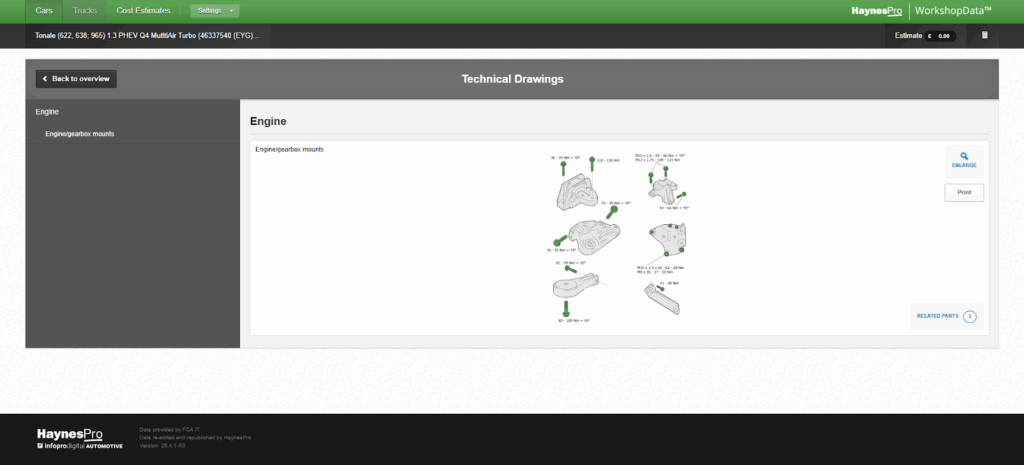
Practical recommendations for UK workshops
To move beyond data dependency, workshops should:
- Standardise a structured diagnostic process for EV cases
- Ensure technicians understand high-voltage architecture fundamentals
- Validate fault codes against live data and reference values
- Document diagnostic steps to protect against warranty and liability issues
- Invest in continuous technical training aligned with current EV platforms
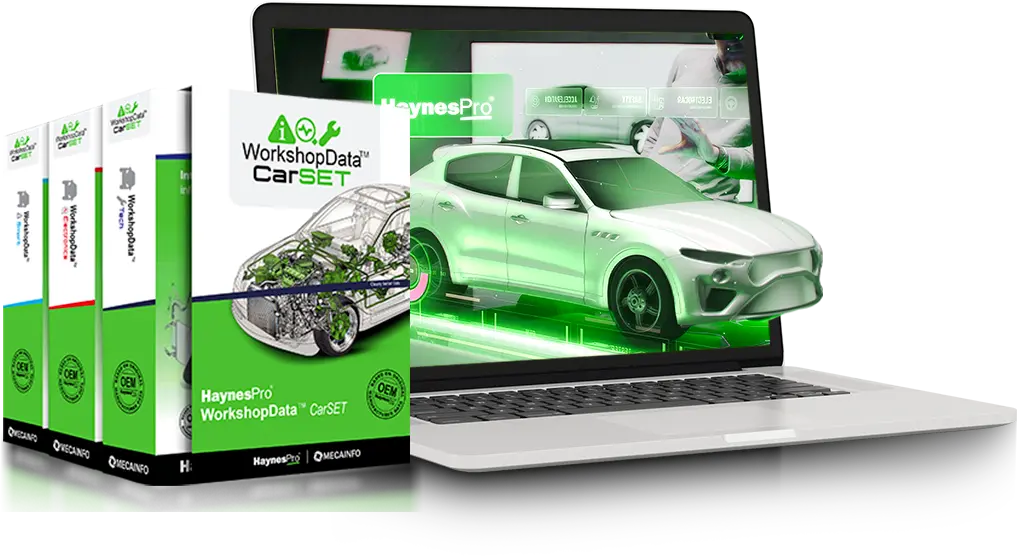
Using professional technical platforms such as HaynesPro ensures access to reliable, manufacturer-aligned information. However, the decisive factor in 2026 is the workshop’s ability to interpret and apply that information logically and safely.
Long-term adaptation of the UK workshop model
EV diagnostics are redefining the role of the technician. The modern professional is no longer a component replacer but a system analyst.
The competitive advantage in 2026 does not lie in having access to data. It lies in transforming structured technical data into confident, documented and safe repair decisions.
Workshops that integrate technical information, diagnostic reasoning and continuous skill development will position themselves as trusted EV specialists in the UK market.
In 2026, diagnostics are no longer a preliminary step. They form the technical foundation of workshop performance, credibility, and long-term sustainability. Manufacturer data is not optional; it is the framework that ensures reliability, compliance, and efficiency.
UK workshops that build their diagnostic processes around structured technical data position themselves to handle modern vehicles with confidence and consistency.
By integrating HaynesPro’s diagnostics and repair protocols, workshops can offer comprehensive battery checks, ensuring that all EVs are winter-ready and compliant with the evolving standards for 2026.
For those interested in exploring Haynes Pro’s features before committing, the Haynes Pro free trial and Haynes Pro free access options are perfect starting points.
With the free trial, users can test out the software’s full range of features, including detailed vehicle repair data, diagnostic tools, and step-by-step guides.
For those looking for a more limited yet valuable introduction, Haynes Pro free offers essential resources such as vehicle specifications and basic repair instructions, making it a great way to get familiar with the tool.
👉 Start your 7-day free trial
📩 Contact us
💼 View Mecainfo pricing