In 2026, high-voltage systems in modern vehicles are no longer confined to hybrid or premium electric models. As a result, across the UK, independent workshops are now routinely handling vehicles equipped with 400V and 800V architectures, advanced battery management systems, and integrated power electronics.
Consequently, the diagnostic responsibility linked to high-voltage systems in modern vehicles has become a central operational issue for UK workshops.
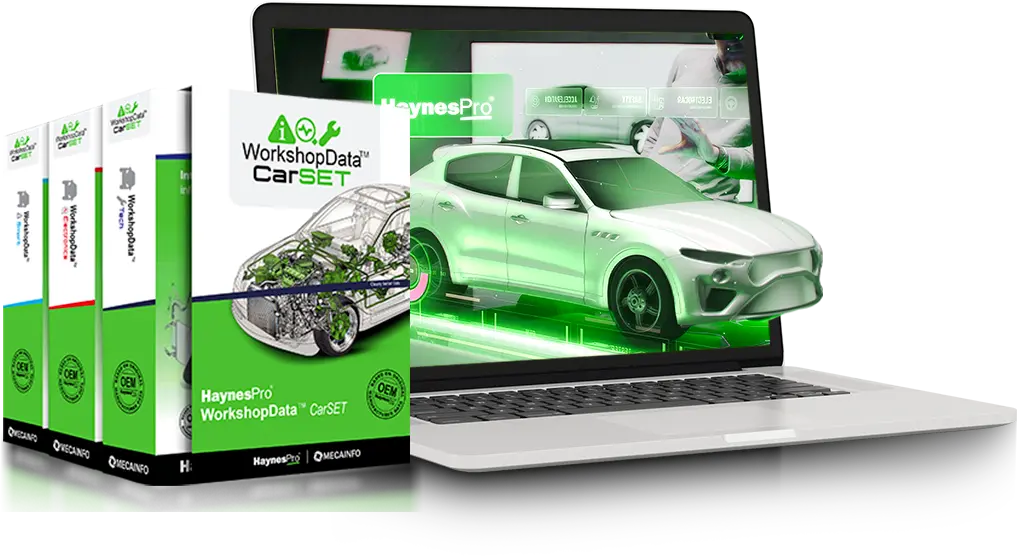
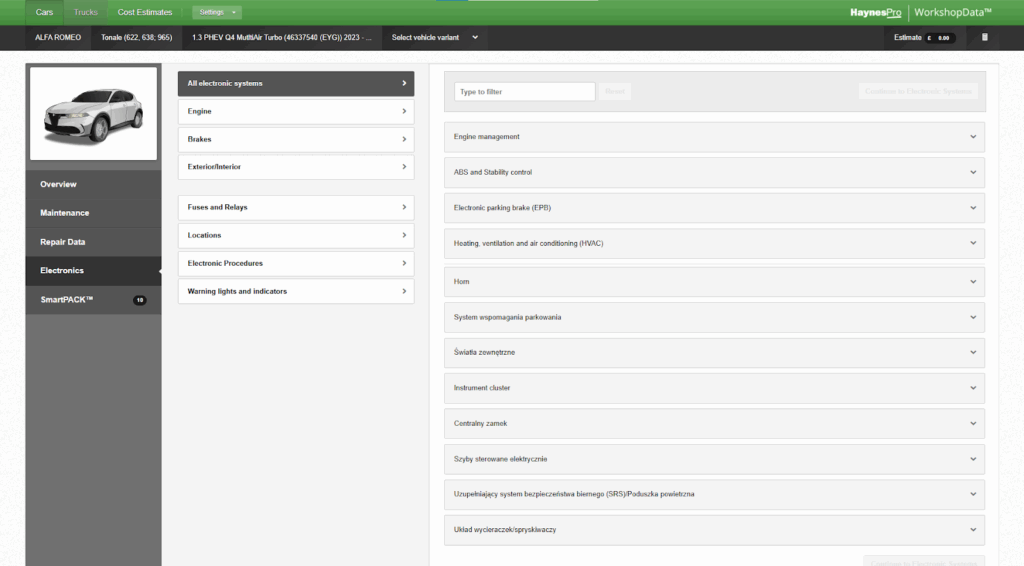
In this context, HaynesPro plays a critical role by providing structured OEM-based data that supports safe intervention procedures and accurate diagnostics.
However, on the workshop floor, the reality is clear: technicians are increasingly expected to manage high-voltage systems with the same confidence as conventional powertrains — yet the margin for error is significantly lower.
Why High-Voltage Diagnostics Is Critical in 2026
The UK vehicle parc between 2024 and 2026 has seen a rapid increase in:
- Full battery electric vehicles (BEVs)
- Plug-in hybrids with dual architecture complexity
- 800V fast-charging systems
- Integrated thermal management modules
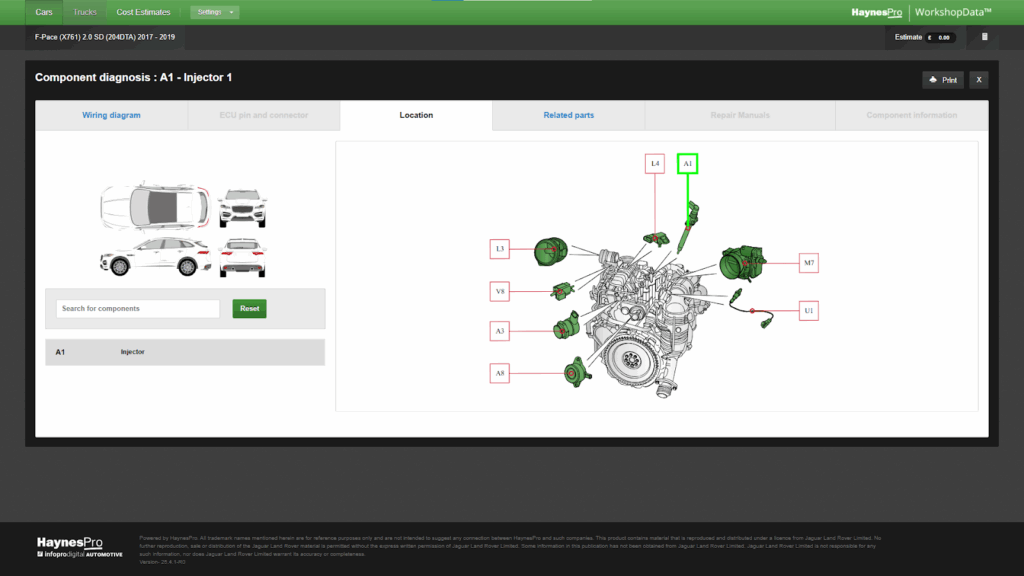
Manufacturers such as Tesla, Volkswagen Group, BMW and Hyundai have expanded the use of high-voltage Components beyond propulsion, such as inverters, DC-DC converters, on-board chargers, and battery control modules, are now interconnected through complex software logic.
As a result, a simple DTC linked to a charging fault may involve:
- Battery management software calibration
- Cooling circuit regulation
- Insulation monitoring systems
- Communication networks between HV modules
Without structured OEM data, misinterpretation becomes likely.
Concrete Workshop Scenarios
For instance, consider a 2025 electric SUV presenting with intermittent fast-charging failure.
In such cases, common workshop risks include:
- Replacing the on-board charger without validating software updates
- Overlooking insulation resistance testing procedures required by ISO 6469
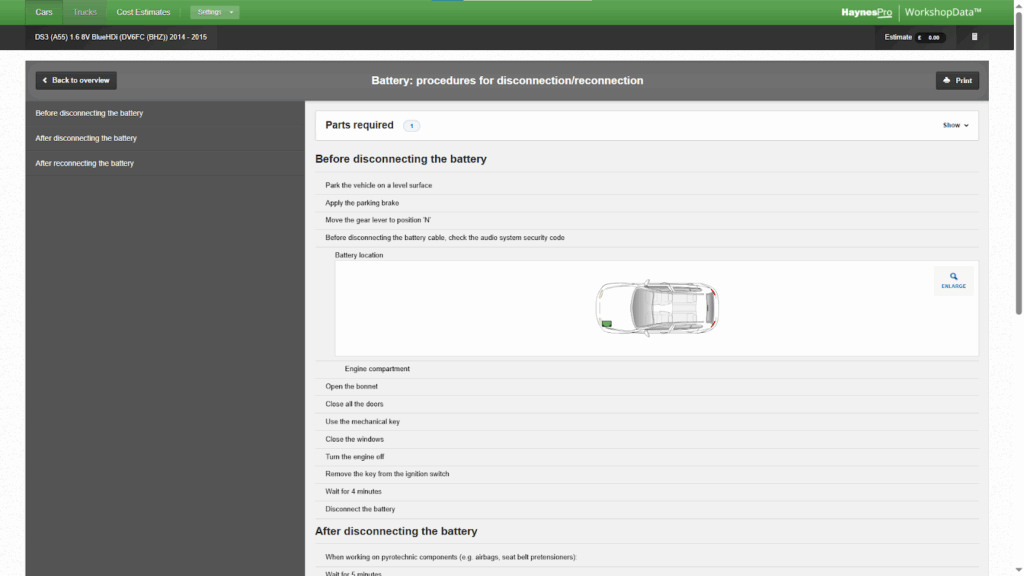
- Failing to follow manufacturer-defined de-energising sequences
The impact of such errors can be significant:
- Financial: Incorrect part replacement costing several thousand pounds
- Organisational: Vehicle immobilised longer than expected
- Legal: Liability exposure if safety protocol is not followed properly
Moreover, the Health and Safety Executive (HSE) in the UK continues to emphasise proper high-voltage handling procedures. Non-compliance may expose workshops to significant risk.
Frequent Errors and Their Consequences
The most common mistakes in 2026 include:
- Assuming high-voltage architecture behaves like conventional systems
- Ignoring firmware-level diagnostic prerequisites
- Skipping isolation and verification steps before testing
- Misinterpreting battery-related DTC cascades
High-voltage systems are highly interdependent. A single module update may resolve multiple cascading faults.
Incorrect intervention may lead to:
- Component damage
- Voided manufacturer warranty claims
- Safety hazards during post-repair testing
Practical Workshop Advice
To adapt effectively, UK workshops should:
- Ensure technicians are IMI Level 3 or 4 qualified for EV systems
- Implement strict HV safety workflow procedures
- Use OEM-structured technical data rather than generic scan tool summaries
- Validate software calibration status before hardware replacement
- Document insulation tests and voltage verification procedures
High-voltage diagnostics is no longer an “EV specialism.” It is becoming a core competence.
High-voltage systems in modern vehicles represent a structural shift in workshop responsibility. In 2026, the ability to interpret OEM data, follow safe procedures and manage integrated electronic systems determines profitability and credibility.
High-voltage competence is not optional. It is part of the modern repairer’s professional baseline.
HaynesPro remains a recognised reference across the UK for structured OEM technical data and diagnostic procedures aligned with current vehicle architectures.
In 2026, diagnostics are no longer a preliminary step. They form the technical foundation of workshop performance, credibility, and long-term sustainability. Manufacturer data is not optional; it is the framework that ensures reliability, compliance, and efficiency.
UK workshops that build their diagnostic processes around structured technical data position themselves to handle modern vehicles with confidence and consistency.
By integrating HaynesPro’s diagnostics and repair protocols, workshops can offer comprehensive battery checks, ensuring that all EVs are winter-ready and compliant with the evolving standards for 2026.
For those interested in exploring Haynes Pro’s features before committing, the Haynes Pro free trial and Haynes Pro free access options are perfect starting points.
With the free trial, users can test out the software’s full range of features, including detailed vehicle repair data, diagnostic tools, and step-by-step guides.
For those looking for a more limited yet valuable introduction, Haynes Pro free offers essential resources such as vehicle specifications and basic repair instructions, making it a great way to get familiar with the tool.
👉 Start your 7-day free trial
📩 Contact us
💼 View Mecainfo pricing